EVERYWHERE Case Studies
CASE STUDY: AID

Wildfire
AT A GLANCE
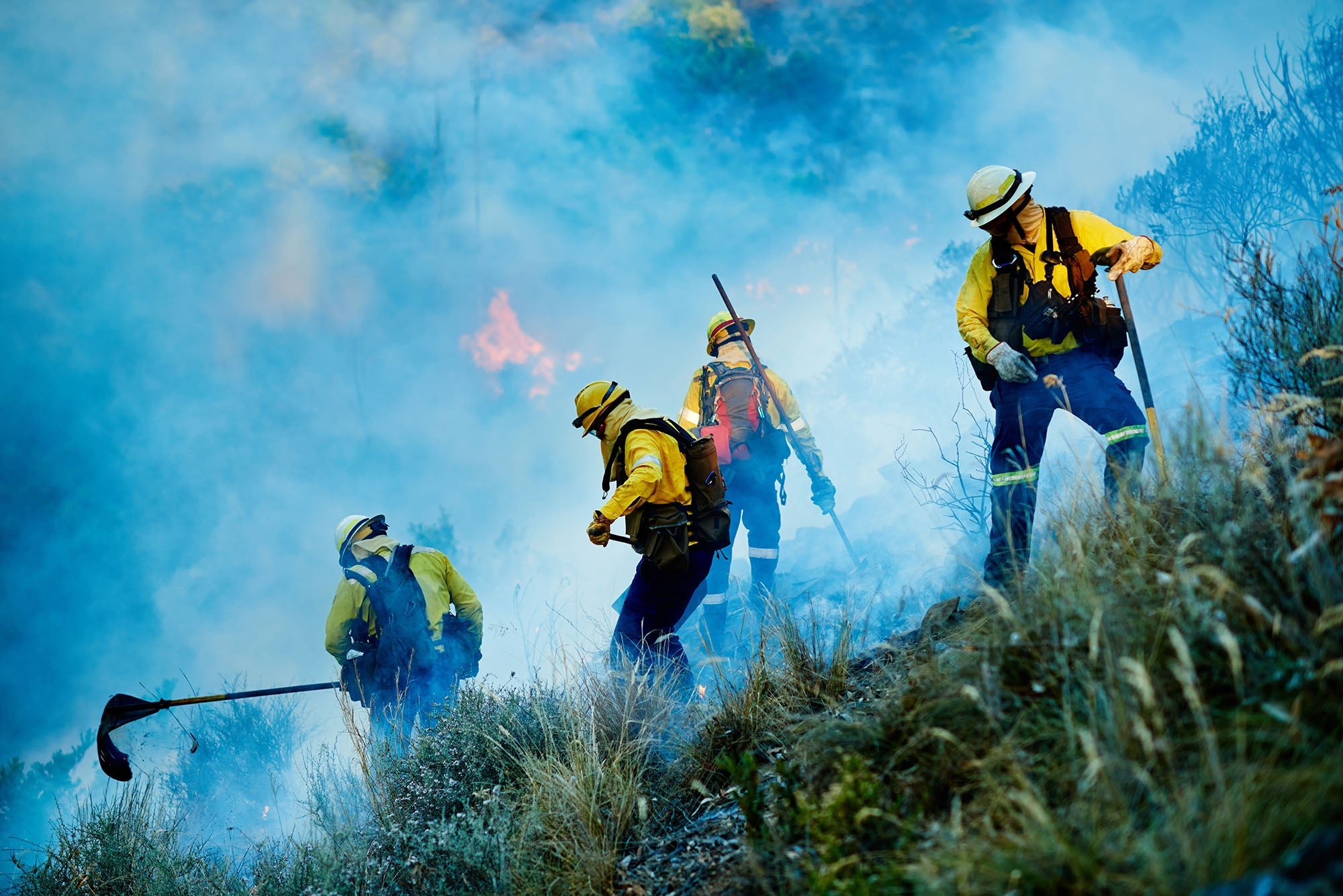
In 2025, over 77,000 wildfires burned across the United States, requiring coordination of firefighters operating in remote, off-grid environments with limited connectivity.
CHALLENGES
• Inconsistent and unreliable communication in remote, rugged environments
• Limited real-time visibility into responder locations across dispersed teams
• Coordination constraints due to disconnected tools between field and command
Delayed decision-making caused by fragmented information and manual check-ins
SOLUTIONS
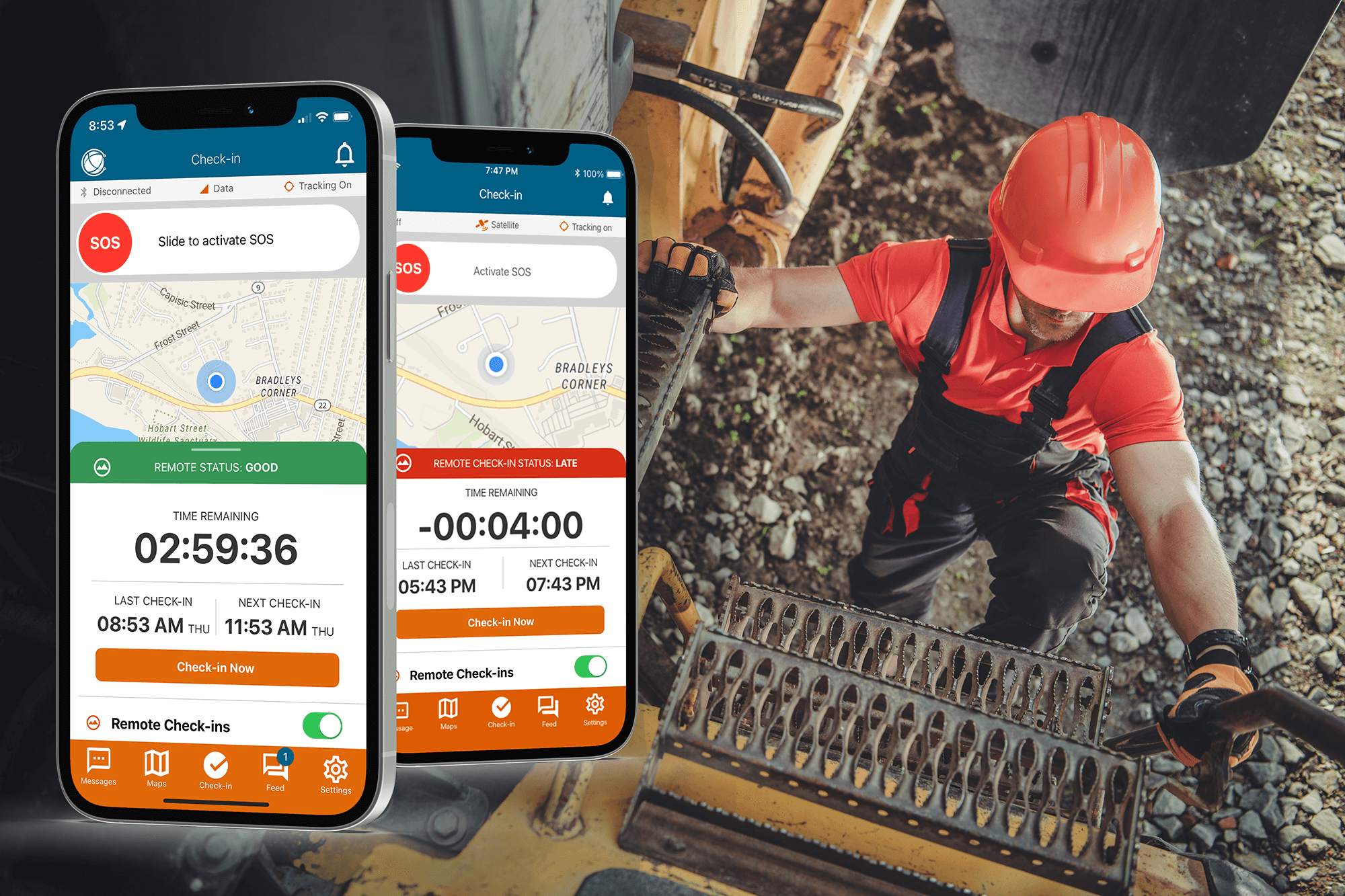
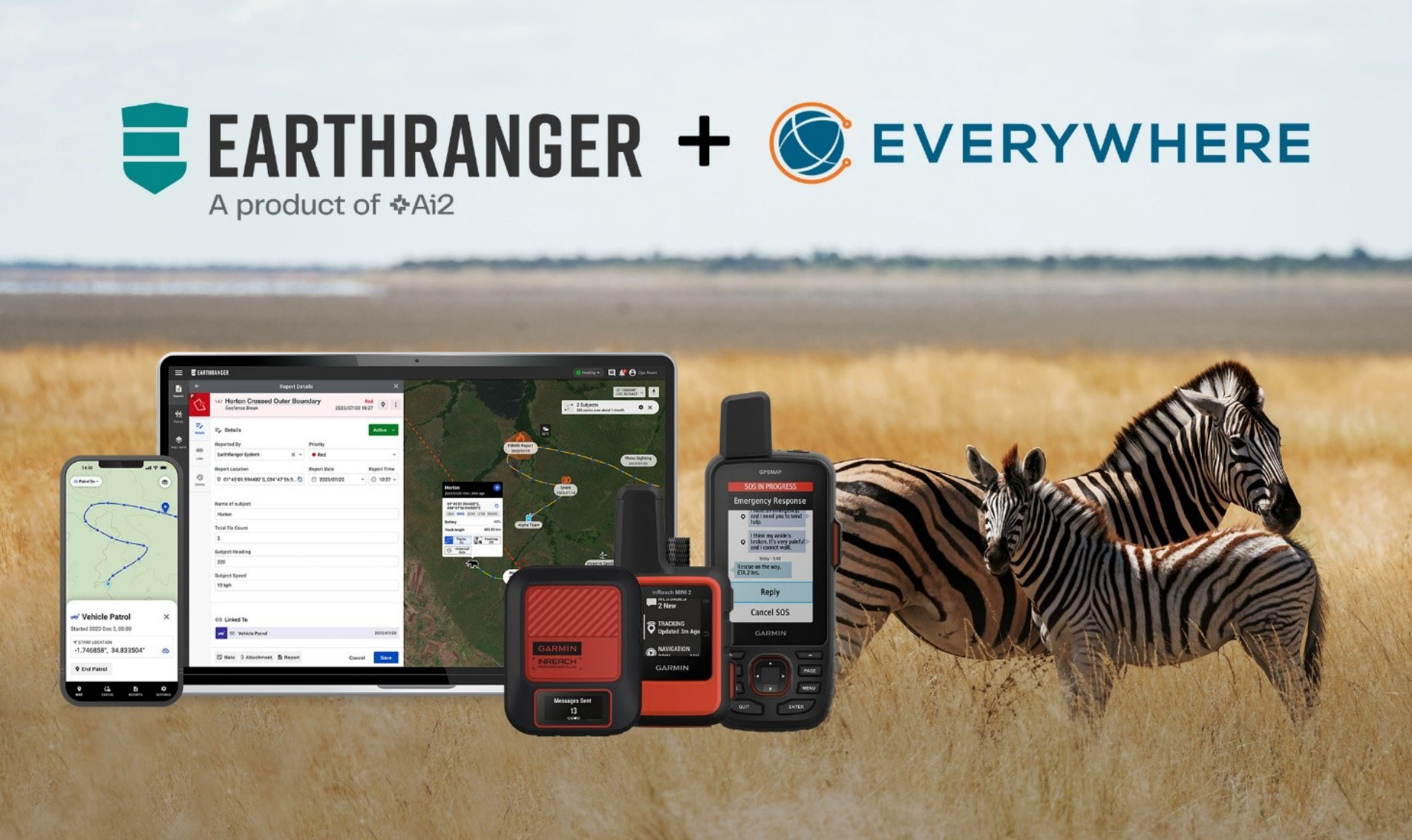
EVERYWHERE integrated with TAK and the Enterprise Geospatial Portal to enable unified, real-time communication and coordination. Fire crews used locati on t acking, secure messaging, and SOS alerts to maintain visibility and support coordinated emergency response.


BENEFITS
1. Unified Communication Platform
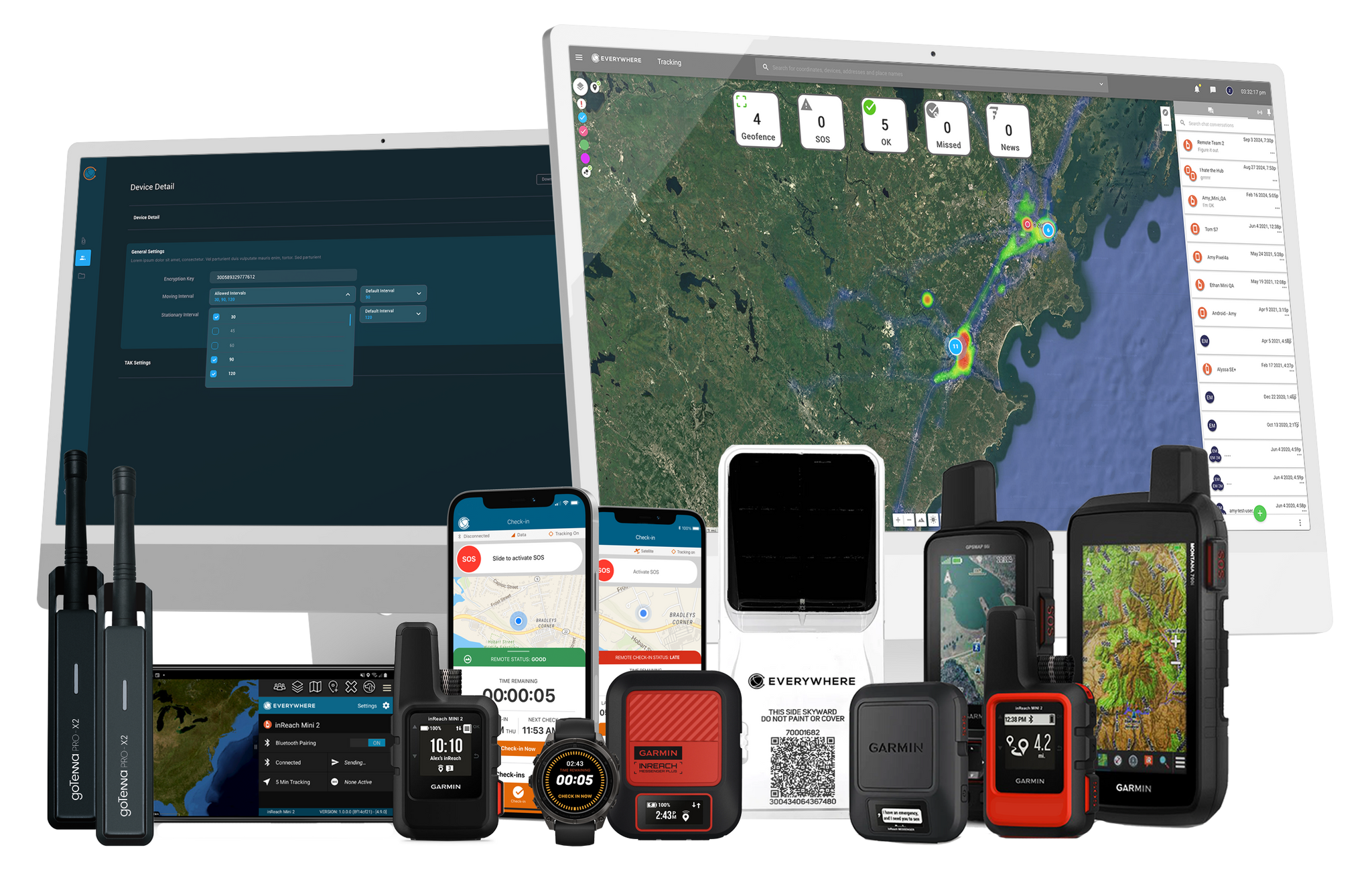
Integrate satellite devices, mobile devices, and secure applications into a common operating picture that turns data into foresight. Anticipate risk, coordinate operations, and enable faster, more informed decision-making through real-time data
2. Enhanced Situational Awareness
Reduce risk and enable faster, more informed decisions with an intuitive interface and simplified workflows that provide clear awareness of environmental and situational threats, enabling proactive alerts and communication
3. Faster, More Informed Decision-Making
Centralize access to real-time location data, field updates, and operational insights to reduce friction in decision-making. Improve response speed, coordination, and missione ffectiveness across teams.

KEY RESULTS
Delivered cross-agency coordination through team based tracking and messaging
Enhanced situational awareness at the incident command level
Accelerated emergency response with automated, multi-channel SOS alerts
Improved crew safety with continuous visibility and real-time location tracking